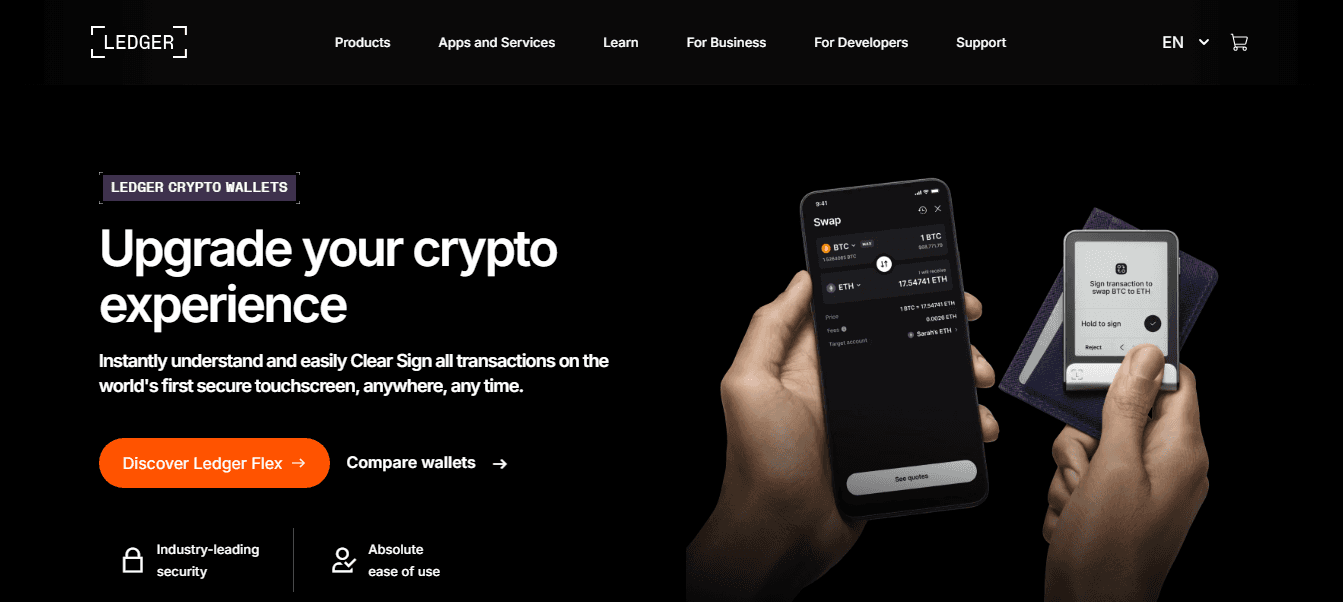
Ledger Login: A Complete Guide to Accessing and Securing Your Ledger Wallet
The rising popularity of cryptocurrencies has made digital asset security more important than ever. As investors and traders continue to adopt decentralized finance, the need for secure hardware wallets has grown significantly. Ledger has become one of the most trusted names in the crypto-security industry, offering users a robust combination of hardware protection, encryption, and intuitive dashboard access. To make the most of your Ledger device, understanding the Ledger login process—and how to do it safely—is essential. This detailed guide walks you through everything you need to know about accessing your Ledger account, using the Ledger Live interface, troubleshooting login issues, and protecting your crypto at every step.
Understanding the Ledger Ecosystem
Before diving into the login steps, it's helpful to understand what Ledger actually does. Ledger wallets, such as the Ledger Nano S Plus and Ledger Nano X, are hardware devices that store your private keys offline. This offline storage approach is known as cold storage, and it drastically reduces the risk of hacks, phishing, and unauthorized access. Unlike software wallets, a Ledger device ensures that your private keys never leave the device, even when you connect it to a computer or mobile phone.
The login process for Ledger is primarily done through the Ledger Live application, which acts as the user interface for managing accounts, viewing balances, installing apps, and initiating transactions. Importantly, Ledger does not use traditional usernames and passwords for login. Instead, all access is based on your physical device, your PIN code, and—if needed—your recovery phrase.
How Ledger Login Works
When people hear "Ledger login," they often imagine a typical online login process with a username and password. However, hardware wallets function differently. Ledger login refers to the process of connecting your Ledger device to Ledger Live and unlocking the wallet using your PIN. Once your device is unlocked, Ledger Live reads your accounts and displays your portfolio, allowing you to manage your assets.
Here is the typical sequence for Ledger login:
1. Connect your Ledger device
Plug your Ledger device into your computer using the USB cable provided. If you are using a mobile phone and the device supports Bluetooth, you can pair it wirelessly.
2. Open Ledger Live
Launch the Ledger Live application. This platform serves as your dashboard for checking balances, managing accounts, installing or removing crypto apps, and more.
3. Enter your PIN on the device
Once connected, the device will prompt you to enter your PIN code. This step is the hardware equivalent of a traditional login password. Without the correct PIN, no one can access your wallet.
4. Allow Ledger Live to access your device
Ledger Live will attempt to communicate with the device. You may need to approve connection or access whenever prompted.
5. Access your accounts and dashboard
After the device is unlocked, Ledger Live retrieves your public addresses and account information, enabling you to view your holdings, track portfolio performance, and initiate transactions.
Ledger login revolves around the physical device rather than an online account, which significantly enhances security.
Why Ledger Login Is Different From Web-Based Wallet Login
The difference between Ledger and typical web wallets lies in security architecture. Most online platforms require logging in with a username, email, or password. These web-based systems rely heavily on cloud-stored information, which is vulnerable to hacking attempts, data breaches, or phishing.
Ledger eliminates these risks by ensuring:
Private keys never leave your device.
Your PIN is required every time you connect the wallet.
Ledger Live cannot operate without the physical wallet.
Even if Ledger Live is compromised, the attacker cannot sign transactions without your device and PIN.
In other words, Ledger login is built on physical authentication rather than online credentials, which is far more secure.
Common Ledger Login Issues and How to Fix Them
Even though Ledger devices are designed to be user-friendly, you may encounter occasional login challenges. Here are some common issues and solutions:
1. Ledger Live does not detect the device
This usually occurs due to USB connection issues or outdated firmware. Ensuring a quality cable, switching USB ports, or refreshing the Ledger Live app typically resolves this.
2. Incorrect PIN entered too many times
If you enter the wrong PIN three times, your device will reset. While this may seem alarming, it is a security feature. You can restore your device using your 24-word recovery phrase.
3. Bluetooth not pairing (for Ledger Nano X)
Make sure Bluetooth is enabled, and your device is not already paired with another phone. Restarting both devices often helps.
4. Ledger Live stuck on loading
Clearing cache or reinstalling the Ledger Live application usually fixes dashboard loading issues.
5. App version mismatch or outdated firmware
Always keep both Ledger Live and your Ledger device updated to ensure smooth login performance.
Understanding these common problems helps ensure that Ledger login is quick and hassle-free.
Security Tips for Ledger Login
Even though Ledger provides one of the most secure crypto-storage solutions, users must also follow best practices to ensure maximum protection. Here are essential security guidelines:
1. Never share your recovery phrase
Your 24-word recovery phrase is the master key to your wallet. No employee, platform, or service provider will ever ask for it. Anyone who gains access to it can take control of your funds.
2. Verify all actions on your Ledger screen
Every transaction must be manually approved using the physical device. This prevents malware from signing unauthorized transfers.
3. Keep your PIN confidential
Choose a PIN that is not easy to guess, and never store it digitally or in an unsafe location.
4. Ensure your environment is secure
When logging in, make sure you are in a private location and using trusted devices.
5. Update firmware and Ledger Live regularly
Regular updates not only add new features but also protect against vulnerabilities.
6. Store your recovery phrase offline
Use a secure, fireproof method of storing your recovery phrase—never digital storage or the cloud.
Following these steps ensures that your Ledger login process remains safe and protected from potential threats.
Why Ledger Login Matters for the Future of Crypto
As cryptocurrency adoption grows worldwide, the importance of secure storage cannot be overstated. Many users store significant value in digital assets, making them targets for cybercriminals. Ledger's login system, built on hardware-based authentication, stands out as one of the most secure entry points in the crypto industry.
Not only does Ledger protect your private keys, but it also provides a seamless user interface through Ledger Live. This combination of advanced security with intuitive user experience is a key reason why millions of crypto holders trust Ledger for safeguarding their investments.
Final Thoughts
Ledger login is not a conventional sign-in process—it is a robust security procedure that ensures only you can access your cryptocurrency holdings. By requiring physical authentication, PIN entry, and manual transaction verification, Ledger significantly reduces the risk of unauthorized access. Understanding how Ledger login works, how to troubleshoot common problems, and how to maintain best-practice security habits empowers you to take full control of your digital assets.
Whether you're a seasoned crypto investor or just starting out, mastering the Ledger login process gives you peace of mind and ensures your crypto remains safe, accessible, and ready for future growth.