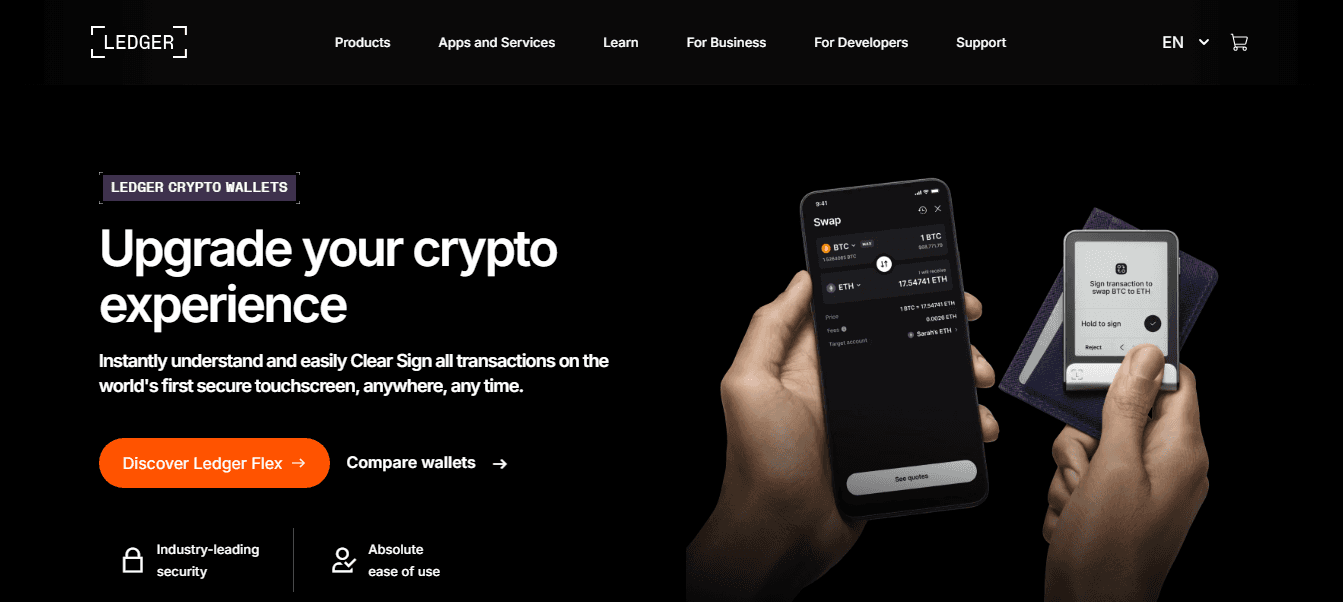
Ledger Login: Comprehensive Guide to Accessing Your Hardware Wallet Securely
When managing cryptocurrency, security is the foundation of everything you do. With digital assets stored on decentralized networks, the responsibility to protect your holdings lies entirely with you. This is where Ledger hardware wallets have become a preferred choice for millions of users around the world. Ledger devices provide unmatched protection through cold storage, encryption, and a secure login process that puts full control in your hands. Understanding how Ledger login works—along with how to use Ledger Live, navigate setup steps, and maintain strong security habits—is essential for preserving your crypto. This in-depth guide explains everything you need to know to access your Ledger wallet safely and confidently.
What Ledger Login Actually Means
The term “Ledger login” can be misleading to newcomers. Unlike traditional online services that rely on usernames and passwords, Ledger uses a hardware-based authentication method. This means your login depends on your physical Ledger device and the PIN you create during setup. Ledger Live, the companion application, serves as the interface for managing your accounts, but it does not store private keys or allow access without the device present.
The login system is designed this way to eliminate common digital threats such as phishing, keylogging, and account takeover attacks. Since no password is stored online, there is nothing for attackers to steal from a server. Your private keys remain offline at all times, sealed inside your Ledger device.
Step-by-Step Ledger Login Process
To help understand the Ledger login experience, let’s walk through the complete process from start to finish. Although the steps may appear simple, each part is designed to reinforce security.
1. Connect the Ledger Device
Start by connecting your Ledger hardware wallet to your computer or smartphone. For models with USB connectivity, such as the Ledger Nano S Plus, use the supplied USB cable. Ledger Nano X users can connect either through Bluetooth or USB, depending on the device they are pairing with.
2. Open Ledger Live
Ledger Live is the central dashboard for your crypto activity. When you open the app, it will automatically search for a connected Ledger device. You do not need to enter a username or password. Ledger Live simply checks whether a genuine, unlocked Ledger device is present.
3. Unlock Your Device With Your PIN
Once the device is detected, you will enter your PIN directly on the Ledger screen. This PIN acts as the gateway to your wallet. Without it, Ledger Live cannot access your accounts or display your portfolio. The PIN remains on the device and is never shared with Ledger Live or the internet.
4. Approve Access if Required
At times, the device may ask you to confirm the connection or authorize certain actions. This extra confirmation ensures that even if someone has physical access to your Ledger, they cannot control your wallet without your deliberate approval.
5. View and Manage Your Assets
After unlocking your Ledger device, Ledger Live loads your account information, allowing you to view balances, add new accounts, install apps for different cryptocurrencies, and conduct transactions.
At no point during the login process does Ledger Live gain access to your private keys. All signing and verification actions occur inside the secure chip of the device.
Why Ledger’s Login System Is So Secure
Security is the main reason users choose Ledger over other wallet types. The login process is intentionally built around hardware verification, which offers several advantages:
Physical Security Barrier
A hacker cannot log in without physically possessing the device. Even with access to Ledger Live, or even if they gain entry to your computer, they cannot operate your wallet.
PIN Code Protection
The PIN is entered only on the Ledger device. This removes exposure to keylogging malware, phishing attempts, or intercepted data.
Recovery Phrase Backup
If the device is damaged, lost, or reset, the recovery phrase allows you to restore the wallet. However, it is entirely offline and only known to you, making unauthorized access extremely difficult.
Tamper-Resistant Hardware
Ledger wallets use secure elements similar to those in passports and credit cards, adding an extra layer of protection.
All these factors combine to make Ledger login one of the most secure authentication systems in the crypto world.
How Ledger Login Differs From Online Wallet Access
Traditional online wallets require credentials such as email and passwords. While convenient, they also pose risks because these credentials are stored in the cloud. If a service is hacked, your information may become exposed.
Here’s how Ledger stands apart:
No cloud-stored passwords
No recovery links to email accounts
No centralized database to attack
No ability to access funds without the physical device
Ledger’s login process removes the digital vulnerability layer entirely by using the device itself as the access key.
Troubleshooting Common Ledger Login Issues
Although Ledger is designed to be simple, users may sometimes experience minor login issues. Here are typical problems and reliable solutions.
1. Ledger Not Recognized by Ledger Live
This is one of the most frequent issues. Causes may include USB cable faults, outdated Ledger Live software, or missing drivers. Reconnecting the device, trying a different USB port, or updating the app often resolves it.
2. Incorrect PIN Attempts
If you enter the incorrect PIN too many times, the device will reset for your safety. While this may seem alarming, you can restore the wallet with your recovery phrase, ensuring nothing is lost.
3. Bluetooth Connectivity Issues
Bluetooth connections may occasionally fail on mobile devices. Restarting Bluetooth, moving closer to the device, or temporarily switching to USB can help.
4. Ledger Live Stuck on Loading
Clearing the Ledger Live cache or reinstalling the application usually solves this problem.
5. Firmware Mismatch
If your Ledger device is outdated, Ledger Live may have trouble recognizing it. Updating both the firmware and the app ensures smooth functionality.
Understanding these common issues helps you navigate the login process easily and efficiently.
Best Practices for Secure Ledger Login
Even with Ledger’s strong protection, your habits play an important role in keeping your crypto safe. Use the following guidelines to maintain top-level security:
Protect Your Recovery Phrase
This phrase is the most important part of your wallet. Store it offline in a secure, hidden location. Never share it with anyone under any circumstances.
Create a Strong PIN
Avoid predictable PIN combinations. Choose something meaningful yet difficult for others to guess.
Verify All Device Actions
Always confirm that transaction details shown on your device screen match what you entered in Ledger Live.
Update Regularly
Keep your firmware and Ledger Live version up to date. Updates typically include security patches, new features, and improved stability.
Use a Trusted Computer
Avoid connecting your Ledger device to public or shared computers. These environments can contain malware or monitoring tools.
Keep Your Device Physically Safe
Since Ledger login depends on physical access, treat your hardware wallet like any valuable asset.
By following these practices, you reinforce the already strong security provided by the Ledger login system.
The Importance of Ledger Login in the Crypto Ecosystem
Ledger’s login process represents a shift away from traditional digital authentication methods. As cryptocurrency adoption continues to increase, investors need systems that provide reliable, long-term security. Ledger’s hardware-based login ensures that only you have control over your funds, regardless of software vulnerabilities or online threats.
This approach reduces the risk of hacking, adds layers of verification, and establishes user-controlled security as the standard. As digital assets become more valuable and decentralized finance grows, secure hardware wallets like Ledger will continue to play a crucial role in protecting personal wealth.
Final Thoughts
Ledger login is not about typing passwords into a website; it is about verifying your identity through a physical, tamper-resistant device. This method gives you the power to protect your assets while eliminating common online threats. By learning how Ledger login works, understanding potential issues, and adopting the right security habits, you can confidently manage your crypto portfolio with complete control.